High-Yield Wheat Farming
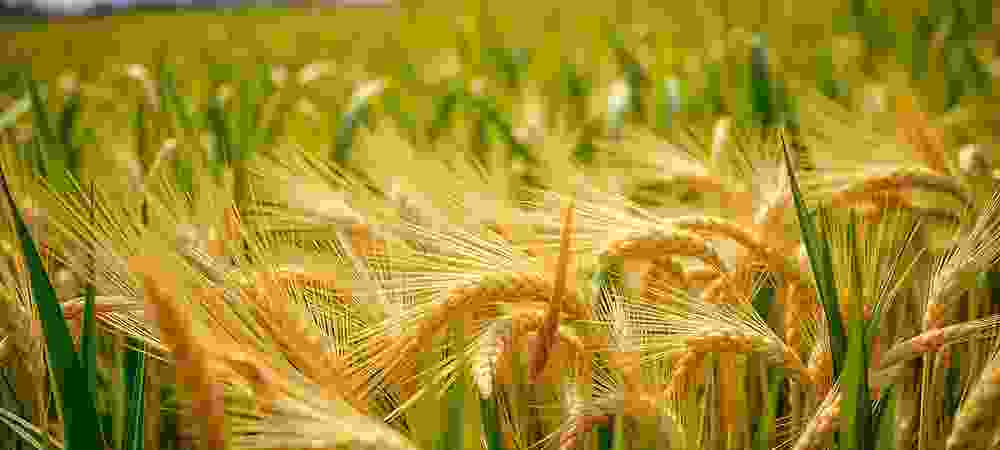
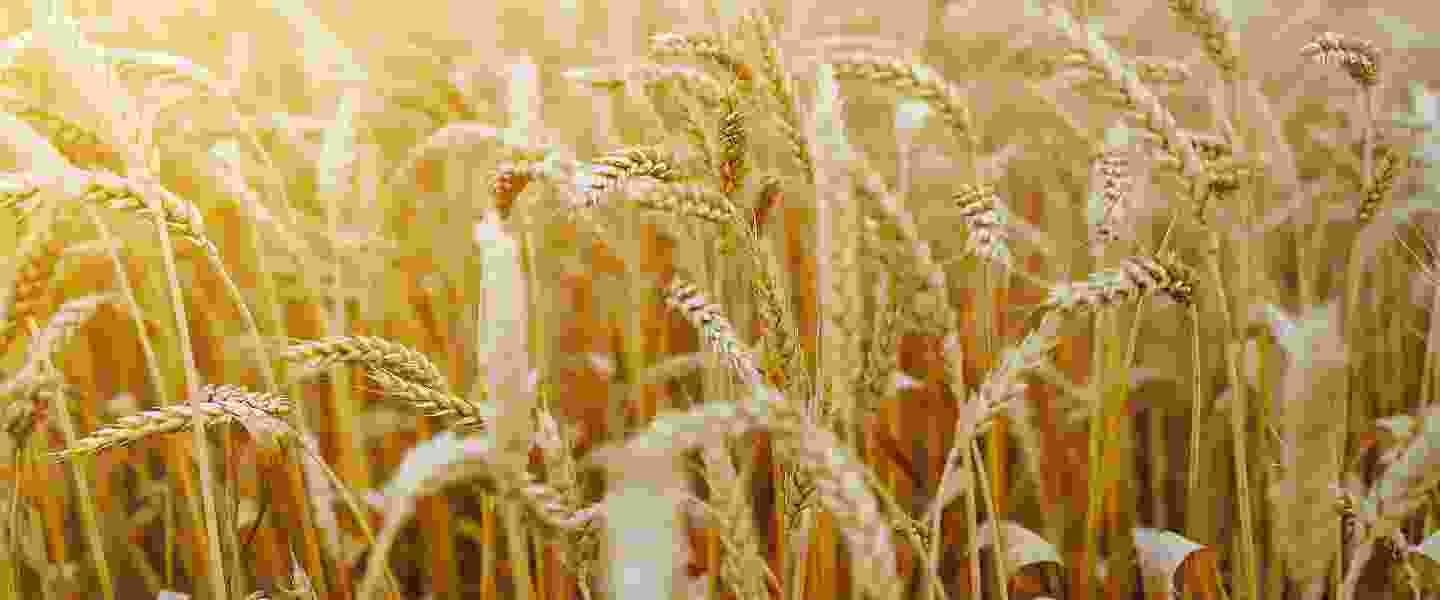
Wheat Farming is the cultivation of one of the world’s most important staple crops, providing food for billions of people globally. It is a critical part of agricultural production and food security. The process begins with careful land preparation, including plowing, leveling, and conditioning the soil to ensure it is fertile and suitable for sowing wheat seeds.
Selecting high-quality wheat seeds is essential for achieving strong germination, healthy crop growth, and high yields. Different varieties are chosen based on climate, soil type, and market demand.
Efficient Wheat Growth
Irrigation management is vital in wheat farming. Providing the right amount of water at different growth stages ensures healthy development and prevents stress that can reduce yields. Pest and disease control is essential for healthy wheat crops.
- Ensures high-yield and quality wheat production.
- Uses efficient irrigation techniques for healthy crops.
- Employs modern harvesting techniques to reduce losses.
Wheat Farm Optimization
Weed management is critical to prevent competition for nutrients, water, and sunlight. Timely mechanical or chemical control helps ensure crops grow unhindered. Post-harvest management includes drying, storage, and processing. Effective handling preserves grain quality, reduces losses.
- Weed Management Techniques
- Sustainable Farming Methods
- Modern Harvesting Techniques
- Precision Agriculture Integration
- Timely Sowing Management
Organic Wheat Practices
Nutrient management is another key aspect, involving the use of fertilizers, organic manure, and soil amendments to maintain fertility and support strong crop growth. Pest and disease control is essential for healthy wheat crops.