
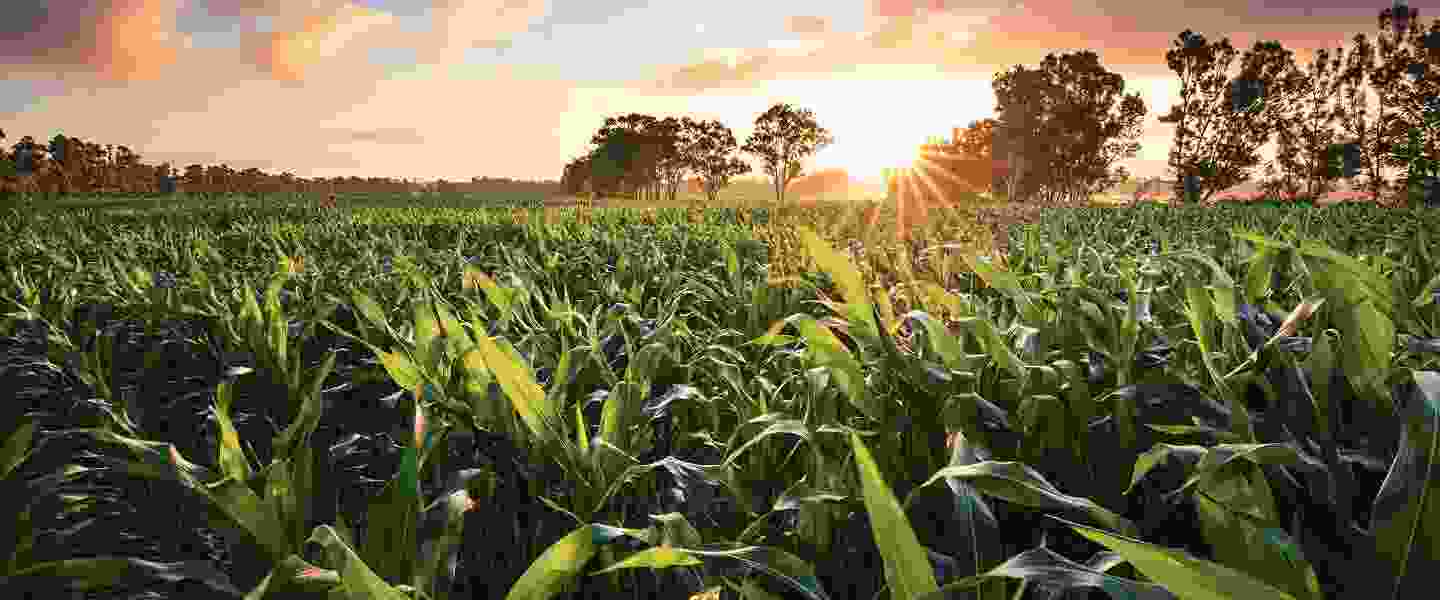
Clean Farming
Green Farming is an environmentally responsible approach to agriculture that focuses on protecting natural resources while producing healthy and sustainable food. It emphasizes working with nature rather than against it, promoting long-term soil fertility and balanced ecosystems. Efficient water use is another priority in Green Farming.
One of the core principles of Green Farming is reducing chemical dependence by adopting natural fertilizers, organic manure, and biological pest-control methods. Biodiversity protection plays a key role in this approach.
Natural Farming Strategies
Green Farming also encourages the use of renewable energy sources such as solar pumps, wind-powered systems, and energy-efficient equipment. This shift not only reduces carbon emissions but also lowers long-term operational costs for farmers.
- Enhances soil fertility through natural, sustainable inputs.
- Water-Saving Techniques – Uses efficient systems to conserve water resources.
- Low Chemical Use – Minimizes synthetic fertilizers and pesticides for safer farming.
Environment-Smart Farming
Biodiversity protection plays a key role in this approach. By maintaining natural habitats, integrating agroforestry, and encouraging beneficial insects, Green Farming creates healthier farm ecosystems that support both crop productivity and sources such as environmental balance.
- Eco-Friendly Practices
- Water-Saving Techniques
- Renewable Energy Use
- Sustainable Crop Cycles
- Waste Reduction Efforts
Green Agriculture
Ultimately, Green Farming aims to produce quality food while keeping the land fertile for future generations, blending traditional methods with modern, eco-friendly innovations. By combining traditional knowledge with modern innovations.