
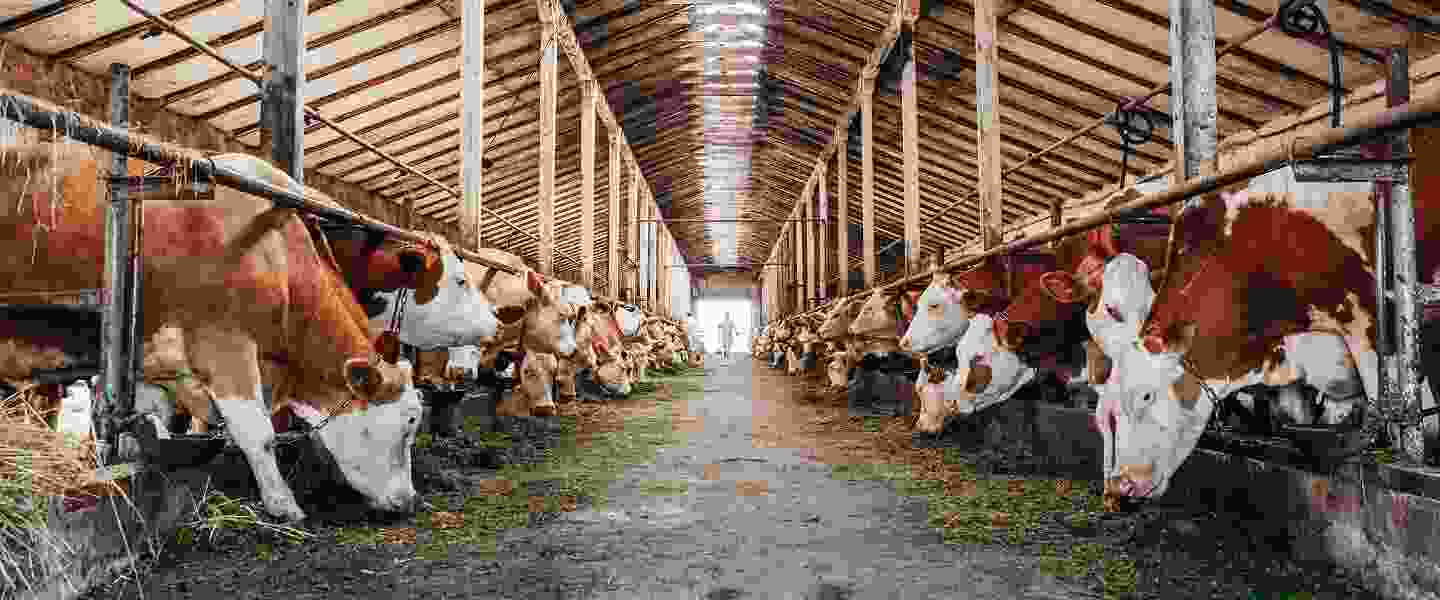
Farm Administration
Farm management is the strategic process of planning, organizing, and controlling agricultural operations to achieve maximum productivity and profitability. It involves evaluating resources, identifying opportunities, and making informed decisions to ensure the farm runs efficiently throughout every season.
A core part of farm management is understanding the land and its potential. This includes soil analysis, field mapping, and selecting the right crops based on climate, soil health, and market demand.
Resource Management
Effective farm management also requires implementing modern cultivation practices. This includes preparing the land, choosing suitable seeds, applying fertilizers wisely, and adopting crop rotation or diversification techniques. These practices help maintain soil fertility and enhance long-term sustainability.
- Streamlines daily operations to improve overall farm efficiency.
- Enhances resource allocation for optimal crop and livestock productivity.
- Supports data-driven decision-making for better farm outcomes.
- Improves financial planning with accurate budgeting and cost control.
Efficient Resource Planning
Resource planning is another essential aspect. Farmers must manage water availability, allocate machinery, schedule labor, and oversee maintenance activities. Proper coordination ensures that all parts of the farm function smoothly and without unnecessary delays or wastage.
- Efficient farm operation planning
- Optimized resource usage strategies
- Improved financial management control
- Data-driven agricultural decisions
- Coordinated field activity scheduling
Advanced Farm Oversight
Technology plays a major role in modern farm management. Tools such as GPS-guided tractors, remote sensors, drones, and farm management software help monitor crop health, detect issues early, and automate repetitive tasks. This leads to better decision-making and improved efficiency.