Sustainable Land Cultivation
Land cultivation is the foundation of successful farming, forming the first and most essential step in preparing the soil for planting. It involves a series of systematic processes aimed at creating ideal conditions for seed germination and crop growth. When done correctly, cultivation sets the stage for a strong and productive agricultural season.
The process typically begins with field assessment. Farmers or agronomists evaluate soil texture, moisture levels, organic matter content, and existing vegetation. Understanding the field’s current condition helps determine the right cultivation approach.
Farm Development
Primary tillage is often the first major step in land cultivation. This involves deep turning, plowing, or loosening of the soil to break compacted layers and promote aeration. By opening the soil structure, roots can penetrate easily, water can move freely, and beneficial microorganisms thrive.
- Improves soil aeration to support strong root development.
- Enhances nutrient availability for better crop growth.
- Minimizes soil compaction to encourage healthy plant growth.
Modern Farming Practices
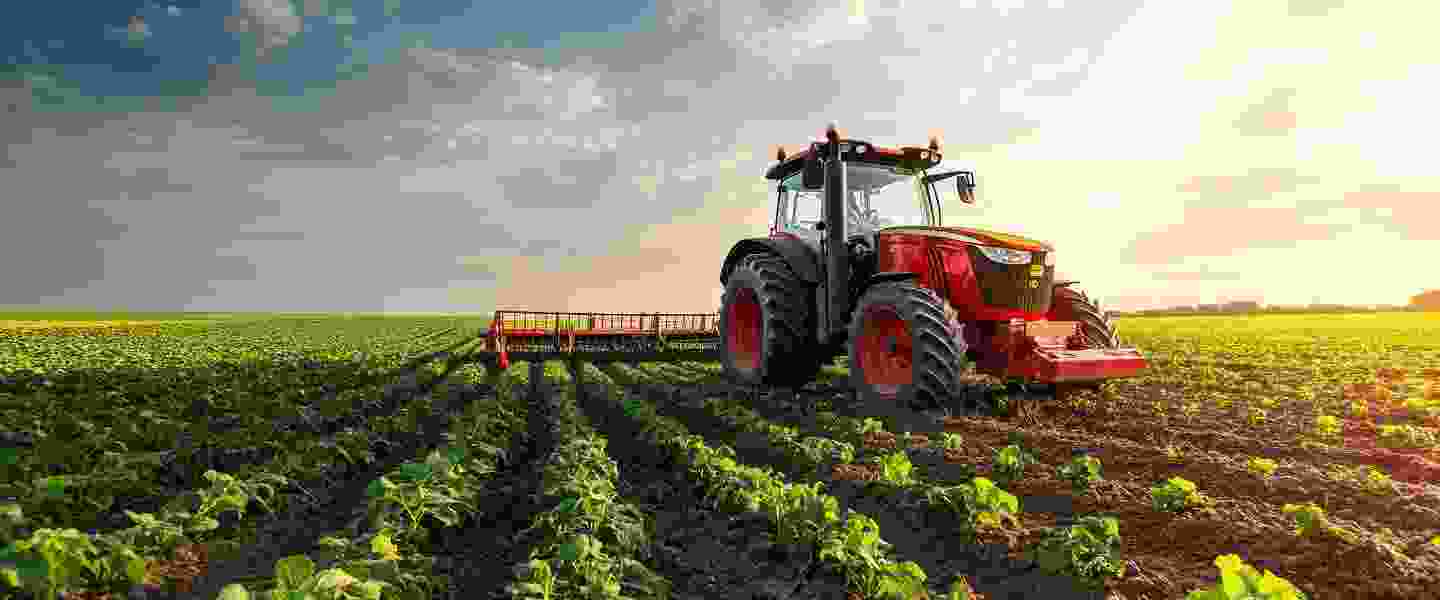
Secondary tillage follows primary tillage to refine the soil surface. Using tools such as harrows, cultivators, and rotavators, the soil is further leveled, clods are broken down, and a smooth seedbed is created. This stage is crucial for uniform seed placement and healthy crop emergence.
- Increased overall crop productivity
- Minimized farm soil compaction
- Sustainable long-term land health
- Efficient pre-planting preparation
- Optimized root growth conditions
Land Improvement
Land cultivation also plays a vital role in weed control. By disturbing the soil and removing unwanted vegetation, farmers can significantly reduce weed competition before planting. Effective weed management boosts crop health, prevents nutrient depletion.